Top 10 Earth Moving Equipment Brands for Global Buyers
Global demand for earth moving equipment is changing quickly, but purchasing decisions remain highly practical. A machine must move soil efficiently, survive abrasive quarry conditions, and receive parts when a jobsite cannot wait. KHL’s Yellow Table 2024 reported approximately US$243.4 billion in sales among the world’s 50 largest construction equipment manufacturers in 2023. Off-Highway Research also estimated global construction equipment demand at more than one million units during the same period. These figures show strong market scale, although regional reporting methods differ.
Technology now shapes the shortlist. Telematics can reveal fuel use, idle hours, location, and maintenance warnings from a mobile dashboard. Electric excavators are gaining attention in urban projects, where noise and emissions matter. Yet diesel power still dominates heavy earthmoving in remote mines and large infrastructure sites. Melker Jernberg, former President of Volvo Construction Equipment, stated, “We are committed to driving the transformation towards a more sustainable and productive construction industry.” That ambition is meaningful, but buyers should test it against operating costs and local service capacity.
This guide compares the top 10 earth moving equipment brands for global buyers. It considers excavators, wheel loaders, bulldozers, graders, dealer networks, resale strength, operator comfort, and digital support. Brand reputation alone is not enough. A premium machine may underperform if technicians lack training or replacement filters take weeks to arrive. Rankings are never perfect. They should support careful evaluation, not replace site trials, lifecycle calculations, and feedback from experienced operators.
Definition and Role of Earth-Moving Equipment in Global Construction
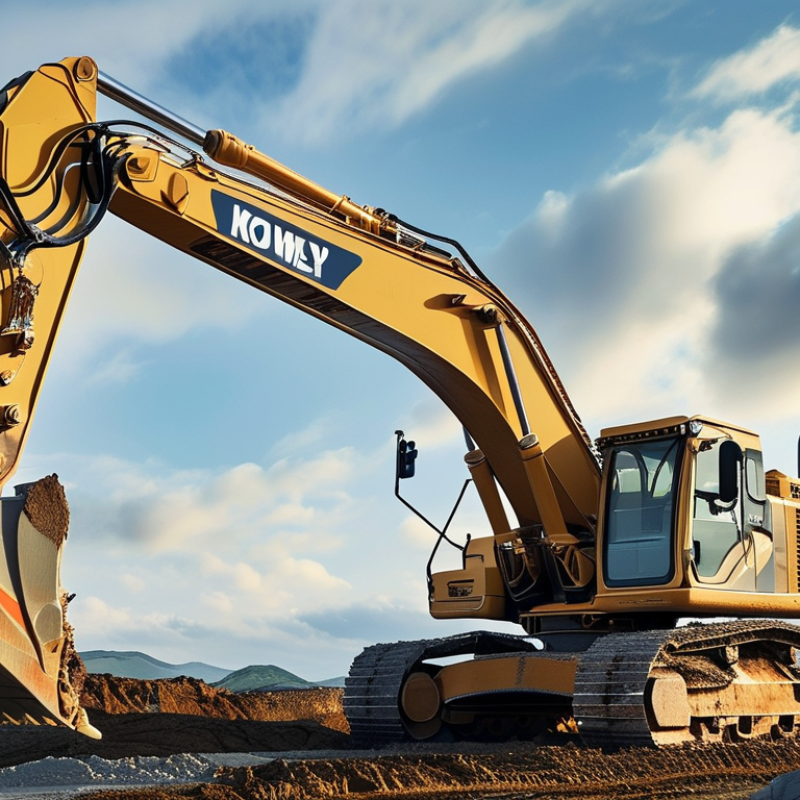
Earth-moving equipment includes machines that excavate, load, grade, haul, compact, or prepare soil and rock. Common examples include excavators, wheel loaders, bulldozers, graders, dump trucks, and compactors. These machines convert demanding manual work into controlled operations, especially on roads, foundations, mines, and drainage projects.
Their role extends beyond moving material. An excavator can open a trench to a specified depth, while a grader creates a stable surface for paving. A compactor reduces air gaps in soil, helping limit later settlement. On a large site, matching machine capacity with soil type, haul distance, and working space directly affects productivity and fuel use. Experienced contractors also check attachment compatibility, operator visibility, hydraulic response, maintenance access, and local parts availability before purchasing.
Ground conditions change. A machine performing well on dry clay may struggle in saturated ground or loose gravel. Buyers should review rated operating capacity, cycle time, service records, emissions requirements, safety systems, and climate suitability. Data from a brochure is useful, but field verification remains necessary. A neat spreadsheet can still miss transport restrictions, technician shortages, or seasonal weather. Small errors matter. Choosing oversized equipment may increase idle time and operating costs, while undersized equipment can create unsafe pressure on crews and components. Reliable selection comes from comparing measured site demands with realistic operating conditions, not from horsepower alone.
Key Factors for Comparing Earth-Moving Equipment Brands
Comparing earth-moving equipment brands requires more than checking engine power or purchase price. A strong evaluation starts with the jobsite. Match each machine to soil density, haul distance, slope, weather, and daily operating hours. A compact excavator may perform well in urban work but struggle in rocky ground. Test the equipment under realistic conditions.
Look closely at productivity data. Compare cycle times, fuel use, lifting stability, attachment compatibility, and control response. Operator feedback matters too. A comfortable cab, clear visibility, and low vibration can improve accuracy during long shifts. Request maintenance records from similar machines. Ask how quickly replacement parts arrive in remote areas. Dealer training and technician coverage can affect uptime more than a small horsepower advantage.
Ownership cost deserves careful attention. Include scheduled servicing, tire or track replacement, software support, transport, and resale value. Independent certifications and verified test reports add credibility. Avoid relying on brochure figures alone. They may reflect ideal conditions. A practical trial is better. In one common mistake, buyers compare only the initial quotation and overlook hydraulic repairs after heavy use. That decision can become expensive. Still, no comparison is perfect. Soil changes, operators differ, and local support may improve or decline. Record assumptions clearly, then review them with contractors who use similar equipment every day.
Top Earth-Moving Equipment Brands and Their Core Product Strengths
Top 10 Earth Moving Equipment Brands for Global Buyers
Top Earth-Moving Equipment Brands and Their Core Product Strengths
The leading ten equipment manufacturers differ in practical strengths, not just market visibility. Excavator specialists often excel in hydraulic precision, swing control, and attachment compatibility. Their machines can place a bucket accurately beside a foundation wall. Bulldozer-focused manufacturers usually emphasize blade stability, undercarriage durability, and traction on uneven ground. Wheel loader leaders tend to balance breakout force with fast cycle times. Articulated hauler producers concentrate on payload control, hill performance, and operator visibility. Grader specialists build machines for precise road crowns and drainage angles. Compact equipment makers often provide tight turning radii for urban projects. Crane and drilling equipment suppliers may serve heavier, more specialized ground work.
Real purchasing experience shows that core product strength is only half the decision. A powerful excavator becomes expensive if filters, pins, or software support are difficult to obtain locally. Check service response times, parts warehouses, warranty wording, and technician training. Review fuel use under comparable workloads, not showroom estimates. No ranking is perfect. Soil, climate, operator skill, and project deadlines can change the result.
Tips: Match machine size to daily output, not occasional peak demand. Ask for field references in similar soil conditions. Test cab visibility during loading, trenching, and night work. Confirm telematics data ownership before signing. Small details matter. A neglected attachment system can reduce productivity more than a modest horsepower gap.
Regional Availability, Support Networks, and Global Market Reach
For global buyers, the top ten earth moving equipment brands should be judged by reach, not recognition alone. Regional availability determines how quickly a machine becomes productive. A popular excavator may still sit idle if replacement filters cross an ocean. Buyers should check dealer coverage, warehouse locations, and average dispatch times before signing a purchase order. Local support matters. Field experience shows that a nearby service team can prevent a small hydraulic fault from becoming a costly shutdown. Ask for documented response times, technician qualifications, and parts inventory by region.
Support networks also reveal a supplier’s real market strength. Strong providers offer commissioning, operator training, maintenance schedules, and remote diagnostics. These services should fit local languages, working conditions, and infrastructure. A desert quarry needs different cooling advice than a wet construction site. Warranty terms deserve careful reading, especially when equipment moves across borders. Confirm who approves repairs, where claims are processed, and whether software or diagnostic tools require regional access. The map is uneven. Coverage may look global online but remain thin outside major cities.
Global market reach is useful only when it supports ownership over several years. Compare financing partners, resale channels, safety documentation, and emissions compliance for each target market. Reliable evidence includes audited service records, customer references, and clear parts lead times. Marketing claims are not enough. I would inspect a working fleet when possible, then speak with operators who handle daily wear. No ranking stays perfect. Political changes, shipping delays, and local demand can quickly alter availability. A practical shortlist should include one strong regional option, even when a larger international network seems safer.
How Global Buyers Can Select the Right Equipment Brand
Selecting the right earth moving equipment brand requires more than comparing purchase prices. Match the machine to soil type, haul distance, project scale, and climate. A crawler excavator suited to wet clay may perform poorly on rocky slopes. Field trials and operator feedback often reveal problems that brochures hide.
Market size matters, but it is not proof of suitability. KHL’s Yellow Table 2024 reported that the world’s 50 largest construction equipment manufacturers generated about $243.4 billion in 2023 sales. Buyers should still examine local dealer coverage, technician response times, spare-parts availability, and documented uptime. Ask for service records from comparable fleets. A low-cost machine becomes expensive when it waits beside the site for a hydraulic component.
Calculate total cost of ownership over five to eight years. Include fuel, scheduled maintenance, financing, attachments, resale value, and operator training. Telematics can support utilization tracking and preventive maintenance, while emissions data helps buyers prepare for stricter site requirements. The United Nations Environment Programme’s 2023 Buildings and Construction Global Status Report linked the sector to 37% of global energy-related emissions, making efficiency increasingly important. Yet digital features are not automatically useful. Some teams lack stable connectivity or trained analysts. That weakness deserves attention. Test the equipment under real working conditions, verify warranty terms in writing, and compare independent service references before committing.
Related Posts
-
What are the Different Types of Heavy Machinery?
-
Top 10 Heavy Machinery Types for Global Buyers in China?
-
10 Essential Tips for Operating Heavy Equipment Safely and Effectively
-
How to Choose the Best Heavy Equipment for Your Needs?
-

Top 10 Construction Machinery Innovations Transforming the Industry
-
10 Essential Tips for Operating Heavy Machinery Safely and Efficiently?