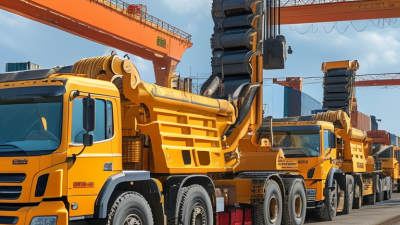
Top 10 Heavy Machinery Types for Global Buyers in China?
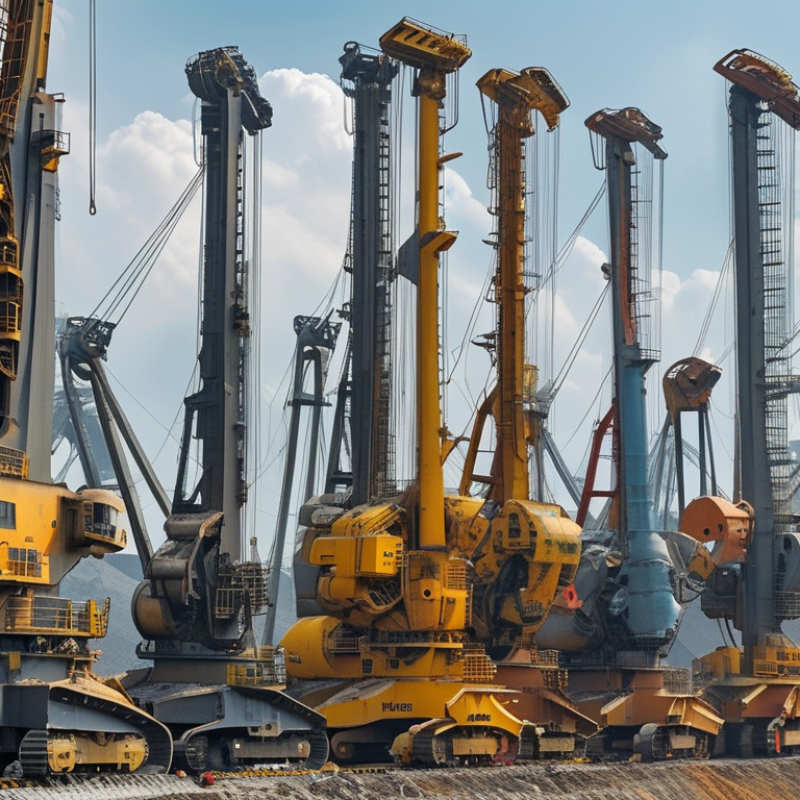
China is known for its robust heavy machinery industry, catering to global demand. Buyers around the world recognize the importance of investing in reliable and efficient equipment. This article explores the top 10 heavy machinery types valued by international buyers.
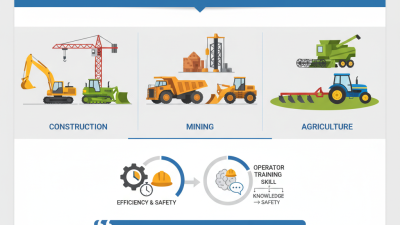
Heavy machinery encompasses various equipment crucial for construction, mining, and agriculture. Each type serves a unique purpose and contributes to different sectors. Buyers must understand their specific needs to make informed decisions. Quality and durability are paramount when selecting heavy machinery.
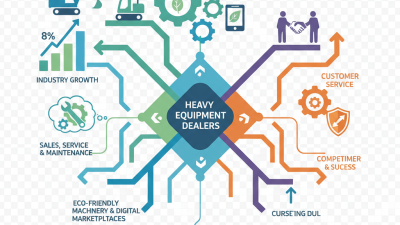
As the global market evolves, buyers face challenges. Pricing and after-sales support play critical roles in decision-making. Reflecting on one's requirements is vital for achieving project success. In this landscape, making the right choice in heavy machinery is essential for any business.
Overview of Heavy Machinery Market in China
The heavy machinery market in China has witnessed significant growth in recent years. According to a report by the China Construction Machinery Association, the market reached a value of over $100 billion in 2022. This growth is driven by increased infrastructure projects and urbanization, creating a robust demand for various machinery types.
Excavators and bulldozers are among the top machinery segments, representing over 40% of total sales. The demand for these machines is fueled by construction activities in major cities. However, some manufacturers struggle with quality control, leading to inconsistent performance. This aspect raises questions about reliability in the market.
Market analysis shows that telehandlers and loaders are gaining popularity, primarily in logistics and material handling. Yet, there remains a gap in operator training, impacting productivity on job sites. As global buyers consider their options, understanding these dynamics becomes crucial for making informed decisions in the Chinese heavy machinery landscape.
Top Excavators: Features and Best Uses
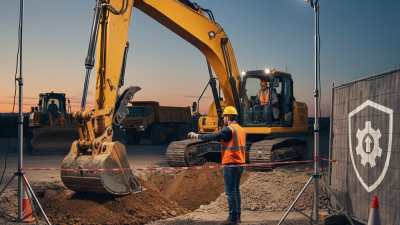
Excavators are essential in construction and earthmoving projects. These machines are versatile and come in various sizes. They can perform tasks like digging, lifting, and demolition. Each excavator type has unique features tailored for specific applications. For instance, compact excavators are ideal for tight spaces, while larger models excel in heavy-duty operations.
When choosing an excavator, consider the digging depth and reach. Hydraulic systems enhance performance, allowing for swift operations. Different attachments, such as buckets and breakers, increase functionality.
However, relying solely on machinery without skilled operators can lead to inefficiencies. It's crucial to invest in training, ensuring safety and optimal use of the equipment.
Special attention must be given to maintenance. Regular checks can prevent downtime and costly repairs. Not all excavators are suited for every project, leading to oversight in equipment selection. Understanding ground conditions is vital; using the wrong excavator can cause complications. Balancing power and precision will maximize efficiency and achieve desired results.
Bulldozers: Why They Are Essential for Construction
Bulldozers are vital for construction projects worldwide. Their robust design allows them to perform heavy-duty tasks efficiently. These machines excel at pushing large quantities of earth, digging, and clearing sites. Their versatility makes them suitable for various terrains and conditions. With a blade at the front, bulldozers are powerful enough to handle tough jobs.
Operating a bulldozer requires skill and experience. It's crucial to understand the machine's capabilities and limitations. A common mistake is underestimating the task. Always assess the worksite before operating the equipment. This helps in planning how best to use the bulldozer.
When considering bulldozers, think about the maintenance costs. Regular inspections and timely repairs are essential. Neglecting these can lead to significant downtime. Investing in good training for operators can also enhance safety and efficiency. A skilled operator knows how to maneuver effectively, reducing the risk of accidents.
Cranes: Types and Their Applications in Different Industries
Cranes are essential in many industries. They lift and move heavy materials with precision. Different types of cranes serve varied applications. For instance, tower cranes dominate construction sites. They efficiently reach great heights, supporting multiple trades. Mobile cranes, meanwhile, provide flexibility. They can be easily transported to different job sites, adapting to various tasks.
In the manufacturing sector, overhead cranes are prevalent. They streamline operations by moving products along assembly lines. According to a report from the International Crane Association, overhead cranes account for around 30% of market shares in heavy machinery. However, reliance on the same equipment can lead to inefficiencies and high repair costs. Companies must regularly evaluate their lifting equipment to ensure optimal performance.
The logistics industry benefits from gantry cranes. These cranes improve loading and unloading processes in ports. With global shipping on the rise, the demand for gantry cranes has surged. A study found that proper maintenance can extend the lifespan of cranes by up to 50%. Yet, many firms overlook maintenance schedules, resulting in unexpected breakdowns and operational delays. Regular training for operators is also critical to enhancing safety and efficiency.
Impact of Heavy Machinery on Global Trade and Economy
Heavy machinery plays a pivotal role in global trade and the economy. According to a report by Statista, the global construction equipment market is projected to reach approximately $100 billion by 2025. This surge is driven by increased demand for infrastructure development and urbanization in countries like China. Heavy machinery such as excavators, bulldozers, and cranes are essential for large-scale construction projects. They facilitate faster project timelines and improve efficiency.
Moreover, heavy machinery impacts supply chains worldwide. A study by IBISWorld highlights that the demand for these machines greatly influences the logistics sector. Efficient machinery reduces project downtimes and enhances productivity. However, reliance on heavy machinery isn’t without challenges. Maintenance issues and skill gaps in operating complex machines can delay projects and incur costs.
Sustainability concerns are also emerging. The machinery sector must adapt to green practices. This transition can be costly and requires innovation. A McKinsey report states that the industry is evolving towards more eco-friendly equipment, aiming for reduced emissions. Balancing efficiency, cost, and environmental impact remains a significant challenge for stakeholders in the global market.
Top 10 Heavy Machinery Types for Global Buyers in China
| Machinery Type |
Common Uses |
Global Market Value (2023) |
Impact on Global Trade |
| Excavators |
Construction, Demolition, Mining |
$44 Billion |
High demand for infrastructure development |
| Bulldozers |
Earthmoving, Construction |
$28 Billion |
Key role in large construction projects |
| Dump Trucks |
Transporting Materials |
$30 Billion |
Facilitates logistics in mining and construction |
| Crane Trucks |
Lifting Heavy Loads |
$20 Billion |
Essential for urban infrastructure projects |
| Loaders |
Loading and Unloading |
$25 Billion |
Streamlines the material handling process |
| Backhoe Loaders |
Excavation, Construction |
$12 Billion |
Versatile utility in various projects |
| Telehandlers |
Material Handling |
$15 Billion |
Improves site efficiency and safety |
| Pavers |
Road Construction |
$8 Billion |
Critical for transportation infrastructure |
| Compactors |
Soil and Asphalt Compaction |
$5 Billion |
Ensures road durability and stability |
| Crawlers |
Heavy-Duty Applications |
$10 Billion |
Adaptable to challenging terrains |