Top Heavy Construction Equipment Types You Need to Know?
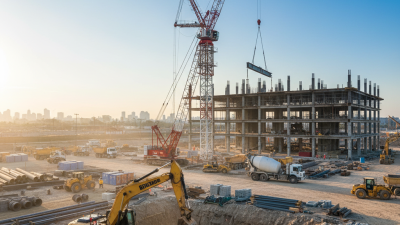
Heavy construction equipment plays a vital role in the construction industry. These powerful machines enable large-scale projects to progress efficiently and safely. Knowing the different types of heavy construction equipment is crucial for anyone working in this field. This knowledge helps in choosing the right tool for specific tasks.
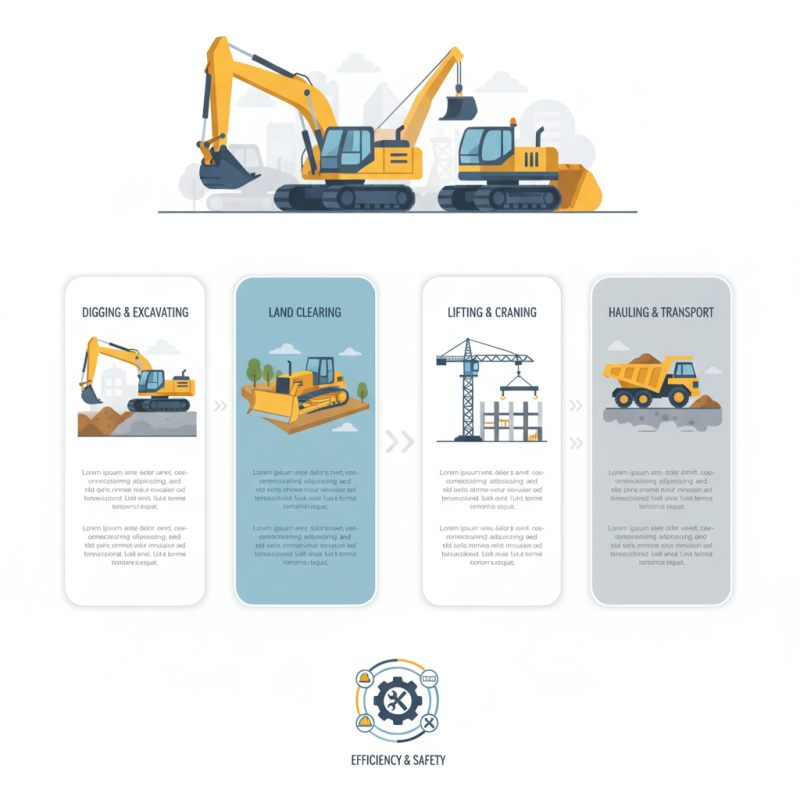
There are various types of heavy construction equipment that each serve unique purposes. From excavators digging deep foundations to bulldozers clearing land, each machine has its strengths. It’s essential to understand these distinctions to enhance productivity. Yet, improper use can lead to accidents or project delays.
Investing time to learn about heavy construction equipment can prevent mistakes. Mistakes in equipment choice can complicate a project, hindering progress. Reflecting on this knowledge will lead to better decision-making in the field. The right equipment can make a significant difference in the outcome of a project.
Overview of Heavy Construction Equipment
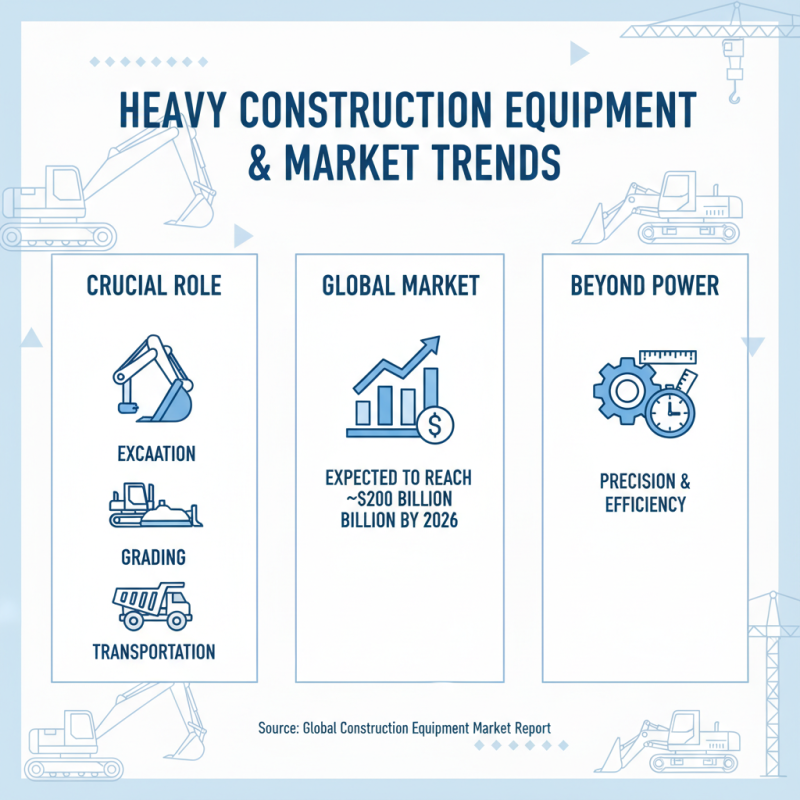
Heavy construction equipment plays a crucial role in various projects. This includes excavation, grading, and transportation tasks. According to the Global Construction Equipment Market report, the industry is expected to reach around $200 billion by 2026. Heavy machinery is not just about power; it's about precision and efficiency.
Excavators are vital in most construction sites. They can dig, lift, and move materials. These machines vary in size and capabilities. A standard excavator can weigh up to 45 tons. Their versatility makes them indispensable. However, a significant challenge arises in operator training and safety. Mishaps can lead to costly delays or even injuries.
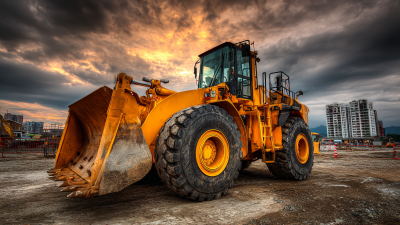
Bulldozers also hold significant importance. They push large quantities of materials with ease. However, managing these machines requires skilled operators. According to industry studies, over 20% of heavy equipment accidents occur due to operator error. This statistic highlights the need for rigorous training programs. While technology advances, human factors remain a potential risk in construction projects.
Common Types of Heavy Excavators and Their Uses
Heavy excavators play a crucial role in construction and earthmoving tasks. These machines excel in tasks such as digging, grading, and demolition. According to a report by ResearchAndMarkets, the global excavator market is expected to grow by over 6% annually, highlighting their significance in the industry.
Common types of heavy excavators include hydraulic excavators, long reach excavators, and mini excavators. Hydraulic excavators are versatile and widely used due to their powerful digging capabilities. They are often employed in large-scale projects like road construction and mining. Long reach excavators provide extended reach, making them ideal for deep digging in narrow spaces, such as riverbanks. Mini excavators, on the other hand, are perfect for smaller jobs with limited access. Their compact size allows for maneuverability in urban areas.
However, operating heavy excavators is not without challenges. Safety concerns are paramount, with reports indicating that operator errors contribute to many accidents. Training is essential for proper machine handling. Furthermore, environmental regulations may restrict operations in some areas, necessitating careful planning. Overall, while excavators are essential tools, operators must remain vigilant and adaptable.
Essential Heavy Load Vehicles in Construction Projects
Construction projects often rely on essential heavy load vehicles. These machines vary in type and function, tailored to specific tasks. For instance, excavators dig deep holes and foundations. They are the backbone of many projects, yet, they can be challenging to operate. Proper training is crucial to prevent accidents.
Another key vehicle is the bulldozer. Its powerful blade pushes large quantities of material. They are indispensable for grading land before construction begins. However, inexperienced operators may make mistakes, possibly causing damage. Each vehicle's role needs to be clear for effective teamwork on site. Workers must communicate constantly about machine positions.
Finally, cranes lift heavy materials to great heights. They are vital for assembling structures. But crane operation is complex and requires focus. A small error can lead to significant issues. Regular maintenance of these machines also shouldn’t be overlooked. Keeping equipment in good condition ensures project efficiency.
Key Features of Heavy Machinery for Effective Operations
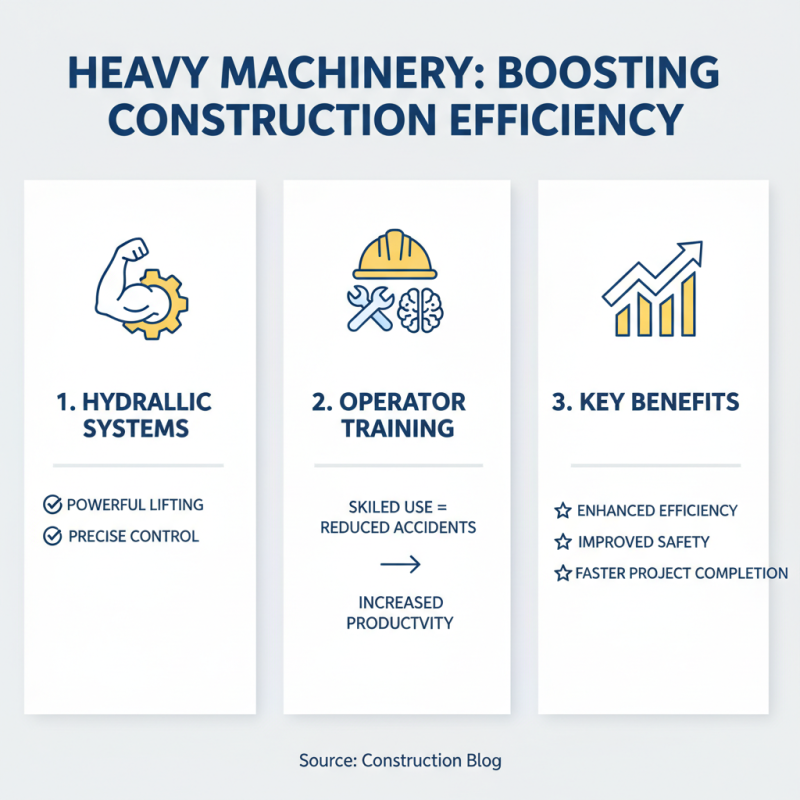
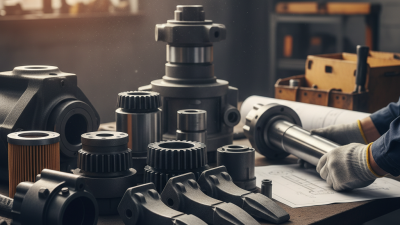
Heavy machinery is crucial for construction projects. Understanding key features can enhance efficiency and productivity. For instance, hydraulic systems are essential. They provide powerful lifting capabilities and precise control. Operators need training to use these systems effectively. A lack of training can lead to accidents.
Caterpillars and excavators are common. They have different functionalities that suit various tasks. Stability is vital, especially on uneven terrain. Operators often overlook this aspect, risking project delays. In addition, the weight of the machinery must be managed. Overloading can cause breakdowns or damages.
Fuel efficiency is another important feature. It impacts operating costs significantly. Some operators ignore maintenance, leading to increased fuel consumption. Timely servicing can prolong the machinery's life. Adequate maintenance schedules should be enforced to avoid productivity losses. Understanding these key features can lead to more effective operations in heavy construction.
Safety Considerations When Using Heavy Construction Equipment
When working with heavy construction equipment, safety is paramount. Operators need to be aware of potential hazards on the job site, as these machines can cause serious injuries. It’s essential to wear proper personal protective equipment (PPE) like helmets, gloves, and sturdy boots. Regular safety training should be mandatory for all team members, ensuring everyone understands the equipment's risks.
Tips: Always inspect machinery before use. Look for leaks, unusual sounds, or damaged parts. Neglecting this step can lead to accidents. Communication is key on-site. Use hand signals or radios to keep everyone informed about movements and operations. This reduces the chance of collisions or mishaps.
Awareness of surroundings cannot be overlooked. Heavy equipment has blind spots that can obscure visibility. Operators should use spotters when maneuvering in tight spaces. If anyone is nearby, stop the operation immediately. Remember, haste can lead to mistakes. Reflect on work practices regularly. Always seek ways to improve safety protocols. The goal is a safe working environment for all.
Top Heavy Construction Equipment Types You Need to Know - Safety Considerations When Using Heavy Construction Equipment
| Equipment Type |
Common Uses |
Safety Considerations |
| Excavators |
Digging, lifting, and demolishing |
Ensure proper training, use seat belts, and inspect before operation |
| Bulldozers |
Moving large quantities of earth |
Maintain visibility, avoid slopes, and watch for ground stability |
| Cranes |
Lifting heavy materials |
Inspect rigging systems, ensure load limits are not exceeded |
| Loader |
Loading materials onto trucks |
Check for overhead obstructions, wear safety gear |
| Forklifts |
Transporting and lifting pallets |
Use proper lifting techniques and maintain clear pathways |