Why Heavy Equipment Repair is Essential for Your Business Success?
Heavy equipment repair is often overlooked, yet it’s vital for business success. When machines fail, operations grind to a halt. Small delays can snowball into significant financial losses. Regular maintenance is critical to avoid unexpected breakdowns.
Investing in heavy equipment repair ensures optimal performance. It enhances productivity and safety on job sites. Poorly maintained machinery can lead to accidents and costly liability issues. Businesses must prioritize these repairs to protect their assets.
Reflecting on past repairs reveals patterns. Neglected equipment often causes frustrations. Learning from these mistakes can lead to better decision-making. Emphasizing heavy equipment repair is not just prudent; it’s essential for sustained growth and success.
Importance of Heavy Equipment in Modern Business Operations
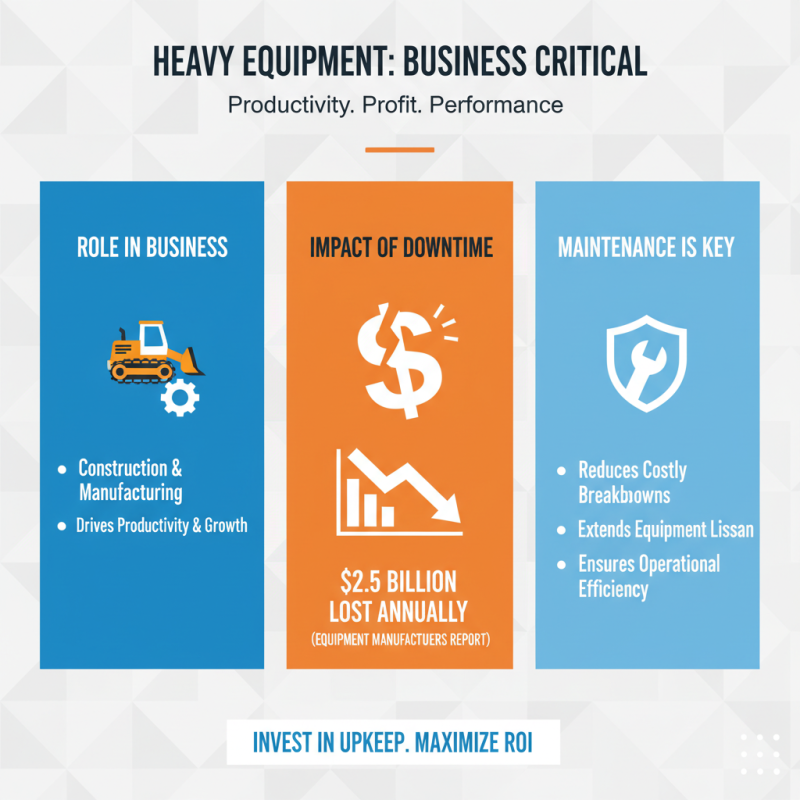
Heavy equipment plays a crucial role in modern business operations. In industries like construction and manufacturing, machinery drives productivity. According to a report by the Association of Equipment Manufacturers, businesses lose nearly $2.5 billion annually due to equipment downtime. This highlights how essential proper maintenance is.
Heavy machinery is complex and requires expert care. Regular inspections and timely repairs reduce the risk of failures. According to the National Institute for Occupational Safety and Health, 30% of workplace injuries stem from equipment malfunction. Companies should prioritize repair services to protect their workforce and sustain operations. Efficient equipment keeps projects on schedule and reduces unexpected expenses.
Neglecting equipment maintenance can lead to costly consequences. A piece of machinery may seem fine until it fails. The costs associated with repairs and equipment replacements can devastate budgets. Ignoring heavy equipment repair is a risk that no business can afford. Prioritizing equipment health is vital for long-term success.
Impact of Equipment Downtime on Productivity and Revenue
Equipment downtime can be a significant challenge for many businesses. A report from the Equipment Leasing and Finance Association states that unplanned downtime can cost companies over $2 million annually. This loss often stems from prolonged repairs and interval maintenance, affecting overall operational efficiency.
When machinery breaks down, productivity takes a hit. Workers may find themselves idle, waiting for repairs. According to recent studies, productivity losses can reach 20-30% during these downtimes. Moreover, revenue takes a direct hit. Every hour a piece of machinery is out of service can cost thousands. In the construction industry, for instance, the losses per hour can reach $1,600 or more.
Delays can also impact client satisfaction. Customers expect timely delivery and commitments. If equipment issues arise, fulfilling promises becomes challenging. The negative ripple effects can tarnish a business's reputation. Recognizing the need for regular equipment maintenance makes a difference. Yet, many companies overlook this until it's too late. Understanding this reality can lead to a more proactive approach to equipment management.
Why Heavy Equipment Repair is Essential for Your Business Success?
| Equipment Type |
Average Downtime (Days/Year) |
Loss in Productivity (%) |
Estimated Revenue Loss ($) |
Repair Cost ($) |
| Excavator |
10 |
25 |
50,000 |
4,000 |
| Bulldozer |
8 |
20 |
40,000 |
3,500 |
| Crane |
15 |
30 |
75,000 |
5,500 |
| Forklift |
5 |
15 |
12,000 |
1,200 |
| Backhoe |
12 |
22 |
48,000 |
3,800 |
Key Benefits of Regular Maintenance and Timely Repairs
Regular maintenance of heavy equipment is crucial for business growth. Timely repairs prevent small issues from escalating into major problems. A well-maintained machine operates efficiently, reducing downtime. When equipment breaks down, it can halt production. This leads to lost revenue and delayed projects.
Investing in regular services saves money in the long run. Maintaining equipment helps identify wear and tear early. Ignoring these signs often results in costly repairs. Small repairs are cheaper and quicker. They keep operations running smoothly, enhancing productivity. Every hour of uptime translates to profits.
Yet, not all businesses prioritize maintenance. Some wait until equipment fails. This reactive approach often backfires. It places unnecessary strain on resources and staff. Rethinking this strategy can foster a more proactive culture. Embracing regular upkeep can transform potential losses into opportunities for efficiency.
Choosing the Right Repair Service: What to Consider
Choosing the right repair service for heavy equipment is crucial. Your equipment is the backbone of your operations. A reliable repair service can minimize downtime and enhance productivity. Look for experienced technicians who understand your machinery. Their expertise can save you time and money.
Consider the location of the repair service. A local option can provide faster response times. If your equipment breaks down, you want help quickly. Check their facilities to ensure they have the proper tools and technology. A well-equipped shop indicates a commitment to quality.
Evaluate customer service as well. Communication should be clear and prompt. A good repair team listens to your concerns. They should provide detailed estimates and timelines. Reflect on past repair experiences. Did you face any significant delays? It's essential to learn from these situations to make better choices in the future.
Financial Implications of Heavy Equipment Repair for Businesses
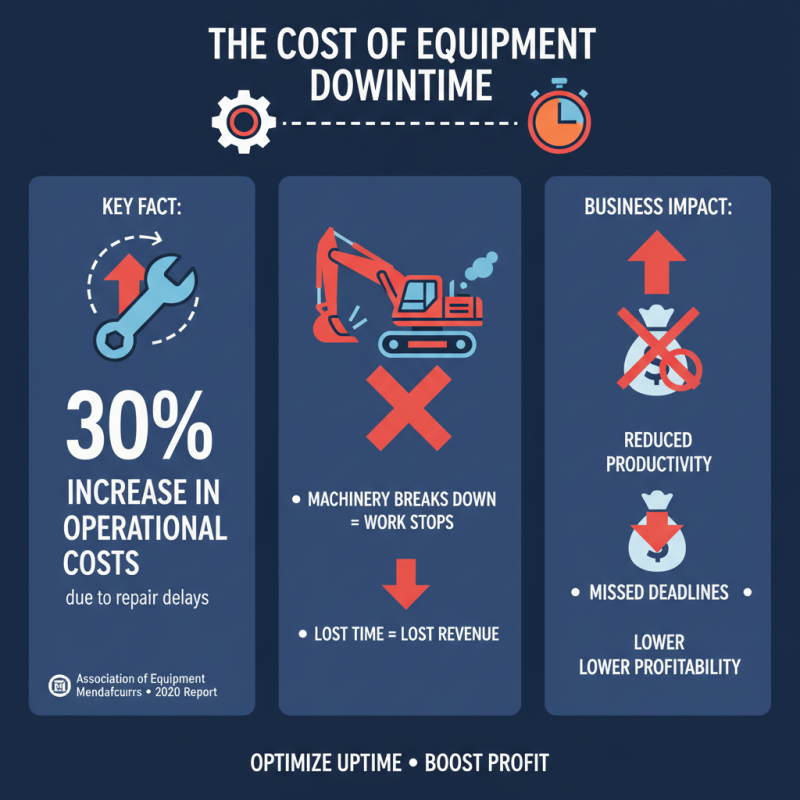
Heavy equipment is a cornerstone of many businesses. A 2020 report from the Association of Equipment Manufacturers stated that delays in equipment repair can increase operational costs by up to 30%. When machinery breaks down, work halts. This lost time directly affects revenue.
Consistent maintenance can help mitigate these expenses. Yet, a significant number of businesses overlook this. According to a survey by EquipmentWatch, 75% of equipment failures stem from inadequate maintenance routines. Such neglect not only causes financial strain but can also damage client trust. Different industries feel this pinch differently. Construction companies, for instance, could face penalties for delays.
Additionally, heavy equipment repair costs can escalate quickly. A report from the Machinery Research Institute showed that businesses can spend anywhere from 15% to 20% of their equipment's value on repairs annually. Ignoring repair needs can lead to unexpected costs, further affecting profitability. It's crucial for businesses to recognize the importance of proactive repair strategies. The stakes are too high to ignore.