2026 Top Earth Moving Equipment Trends and Innovations What to Expect
The future of earth moving equipment is evolving rapidly. As we approach 2026, several significant trends emerge. These innovations promise to revolutionize how construction and excavation tasks are performed globally.
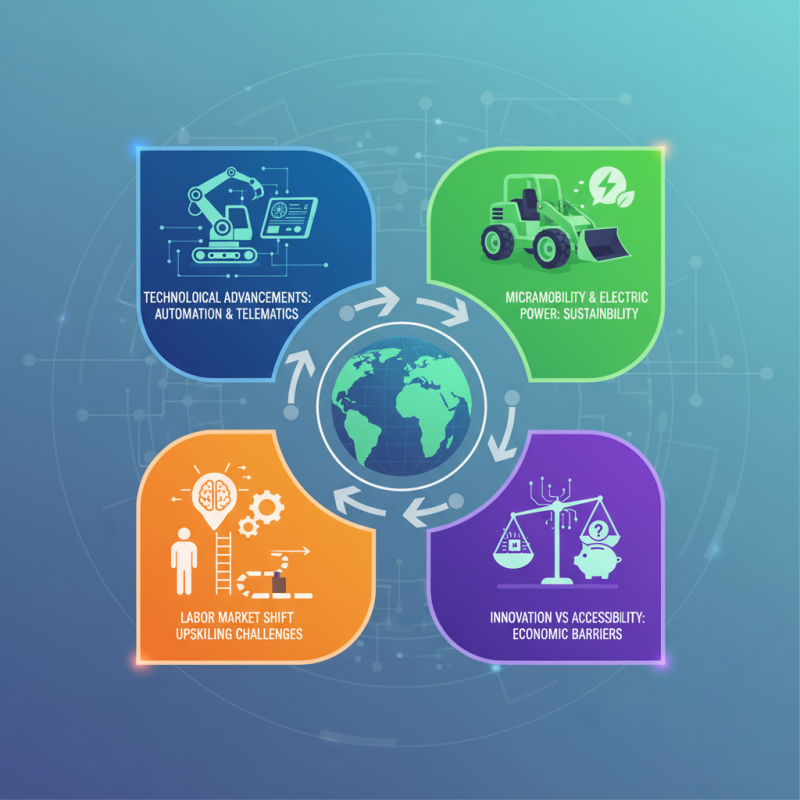
Technological advancements are reshaping earth moving equipment. Emerging features like automation and telematics are enhancing efficiency. Micromobility is gaining popularity, making small, agile machinery a focal point. Electric-powered equipment is also on the rise, promoting sustainability in the industry. Yet, the transition poses challenges. Not all companies can afford these high-tech upgrades.
Additionally, the labor market is shifting. Workers must adapt to new technologies. Upskilling is essential, but many face barriers to training. As we look forward, the balance between innovation and accessibility becomes crucial. The journey to a smart, efficient future in earth moving equipment may not be smooth. However, it is an exciting prospect worth exploring.
Trends Shaping the Future of Earth Moving Equipment in 2026
The earth moving equipment industry is seeing transformative trends that will shape its future in 2026. One prominent trend is the increasing adoption of automation technology. According to a report by Market Research Future, the global market for autonomous construction equipment is expected to reach $44 billion by 2026. This shift will enhance efficiency but also pose challenges in workforce retraining.
Another vital trend is the push for sustainability. As environmental concerns rise, equipment manufacturers are exploring green technologies. The shift towards electric and hybrid machinery is evident; it helps reduce emissions. A recent industry study estimates that electric construction equipment could cut carbon emissions by over 70% compared to diesel machines. This move, however, raises questions about battery disposal and the lifecycle impacts of electric vehicles.
Additionally, enhanced connectivity through IoT is revolutionizing fleet management. Real-time data analytics enable better decision-making. While this technology can improve productivity, reliance on data raises concerns about cybersecurity. The industry must navigate these complexities. Adapting to these trends is critical yet challenging for many players. Balancing innovation with responsibility will be paramount in the years to come.
Advancements in Automation and Robotics in Construction Machinery
The construction industry is undergoing a massive transformation. Automation and robotics are at the forefront of this change. A recent report from the International Federation of Robotics pointed out that construction robots could reduce labor costs by up to 30%. This shift is significant, especially in a sector often criticized for its slow adaptation to new technologies.
However, the adoption of these technologies is not without challenges. Many workers fear job loss due to automation. Furthermore, the integration of robotic systems requires substantial upfront investment. A study from McKinsey found that while automation could improve productivity by 50%, many firms remain hesitant. Balancing human labor and robots in the workplace is a delicate task.
In terms of innovations, autonomous vehicles are becoming more common on job sites. These machines can operate around the clock, enhancing efficiency. Yet, their reliance on software makes them vulnerable to outages. Regular maintenance is crucial to avoid costly downtimes. Data also suggests that 40% of construction companies have faced integration issues with new technology. Addressing these imperfections is essential for a smooth transition into the automated future of construction.
Sustainable Technologies Impacting Earth Moving Equipment Design
The earth moving equipment industry is evolving. Sustainable technologies are reshaping designs and functionality. This shift is essential for reducing environmental impact. New materials are lighter and more durable. They help lower fuel consumption and emissions. Electric-powered machinery is gaining traction. It reduces noise and air pollution on job sites.
Tips: Consider the benefits of electric models. They may have a higher upfront cost but save money over time. Charging infrastructure is developing, making it more accessible.
Telematics and smart technologies also play a role. They provide real-time data on equipment performance and fuel usage. This data can improve efficiency and reduce waste. However, not every operator is tech-savvy. Training is crucial for effective use. Designing user-friendly interfaces can help bridge this gap.
As innovations continue, challenges remain. Rethinking traditional practices is necessary. The push for sustainability is not just a trend. It requires a shift in mindset for the entire industry. Embracing these changes isn’t always easy, but the long-term benefits are clear.
Key Innovations in Equipment Efficiency and Performance Metrics
The earth moving equipment industry is witnessing transformative changes. Key innovations focus on equipment efficiency and performance metrics. These advancements are essential in optimizing operations while reducing costs. Enhanced fuel efficiency is a primary goal for manufacturers. Improved engine technology is making a significant impact.
Telemetry systems are becoming prevalent. They provide real-time data on equipment performance. This insight allows for timely maintenance and reduces downtime. Operators can monitor fuel consumption and allocate resources more effectively. However, relying solely on data can lead to overconfidence. It's crucial to balance technology with human expertise.
Sustainability trends are also shaping the future. Electric and hybrid machinery are gaining traction. They promise lower emissions and quieter operation. However, infrastructure for charging and maintenance is still a challenge. The industry must adapt to ensure a smooth transition. Innovation can lead to a more efficient future, but it requires careful implementation.
2026 Top Earth Moving Equipment Trends and Innovations
| Trend/Innovation |
Description |
Expected Impact |
Efficiency Improvements |
Performance Metrics |
| Electric-Powered Equipment |
Transition to electric power sources for reduced emissions. |
Lower carbon footprint and reduced operating costs. |
25% reduction in fuel costs. |
Increased uptime with 20% less maintenance. |
| Autonomous Equipment |
Integration of AI for autonomous operation. |
Increased safety and reduced labor costs. |
30% more efficient in project completion. |
Reduction in human error incidents by 40%. |
| Telematics |
Use of IoT for remote monitoring and diagnostics. |
Enhanced operational efficiency and predictive maintenance. |
15% decrease in downtime. |
24/7 data accessibility leading to quicker decision making. |
| Robust Safety Features |
Implementation of advanced safety technologies. |
Reduction in accident rates on job sites. |
Estimated 50% reduction in accidents. |
Improvement in compliance with safety regulations. |
| Hybrid Technology |
Combining diesel engines with electric power for hybrid models. |
Increased fuel efficiency and reduced emissions. |
Achieving 40% improved fuel economy. |
Performance benchmarks aligning with industry standards. |